
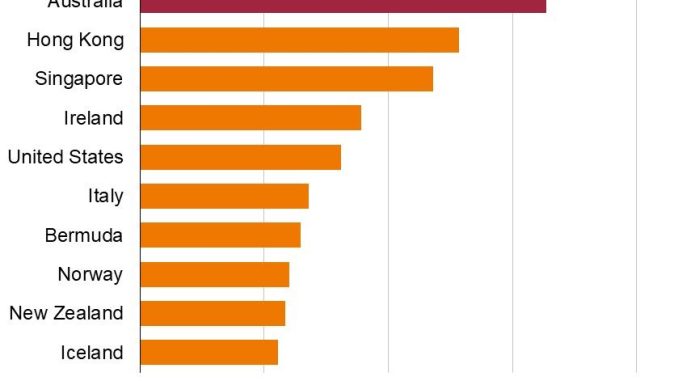
In recent years, the issue of responsible gambling has become a hot topic in the tech industry. With the rise of online gambling platforms and mobile apps, it has become easier than ever for people to engage in gambling activities. However, along with this increased accessibility comes a greater responsibility to ensure that individuals are gambling responsibly and not putting themselves at risk of harm.
United Kingdom
The United Kingdom is widely regarded as having some of the strictest and most comprehensive responsible gambling policies in the world. The UK Gambling Commission oversees all gambling activities in the country and requires operators to adhere to strict guidelines designed to protect consumers. These include measures such as age verification checks, self-exclusion programs, and limits on advertising and promotions.
Australia
Australia is another country that has made significant strides in implementing responsible gambling policies. The Australian Communications and Media Authority (ACMA) regulates online gambling in the country and has put in place measures to protect consumers, such as bans on credit betting and restrictions on in-play betting. Additionally, the Australian government requires all gambling operators to contribute to research, education, and treatment programs for problem gambling.
Canada
Canada also has a strong focus on responsible gambling, with each province having its own regulatory body to oversee gambling activities. For example, the Alcohol and Gaming Commission of Ontario (AGCO) regulates gambling in Ontario and requires operators to implement responsible gambling programs, such as self-exclusion and limit-setting tools. The Canadian government also provides funding for research and treatment programs for problem gambling.
United States
In the United States, responsible gambling policies vary by state, as gambling is regulated at the state level. However, many states have implemented measures to promote responsible gambling, such as self-exclusion programs, age verification checks, and limits on advertising. Additionally, the National Council on Problem Gambling (NCPG) works to raise awareness about problem gambling and provide resources for individuals who may be at risk.
Conclusion
In conclusion, responsible gambling policies are essential to ensuring that individuals can engage in gambling activities safely and responsibly. While the specifics of these policies vary by country, there is a growing recognition of the need to protect consumers from the potential harms of gambling. By implementing measures such as self-exclusion programs, age verification checks, and limits on advertising, countries can help to promote responsible gambling practices and reduce the prevalence of problem gambling.
Overall, the tech industry must play a crucial role in supporting and adhering to responsible gambling policies to ensure a safe and enjoyable gambling experience for all users.